
Electric Vehicle Charging 101 in Pennsylvania & New Jersey
Everything you need to know about powering your electric vehicle at home and on the road.
Choosing the right charging speed for your PA or NJ home
Learn how upgrading to a level 2 NACS or J1772 can save you time, money, and grant you electric vehicle freedom
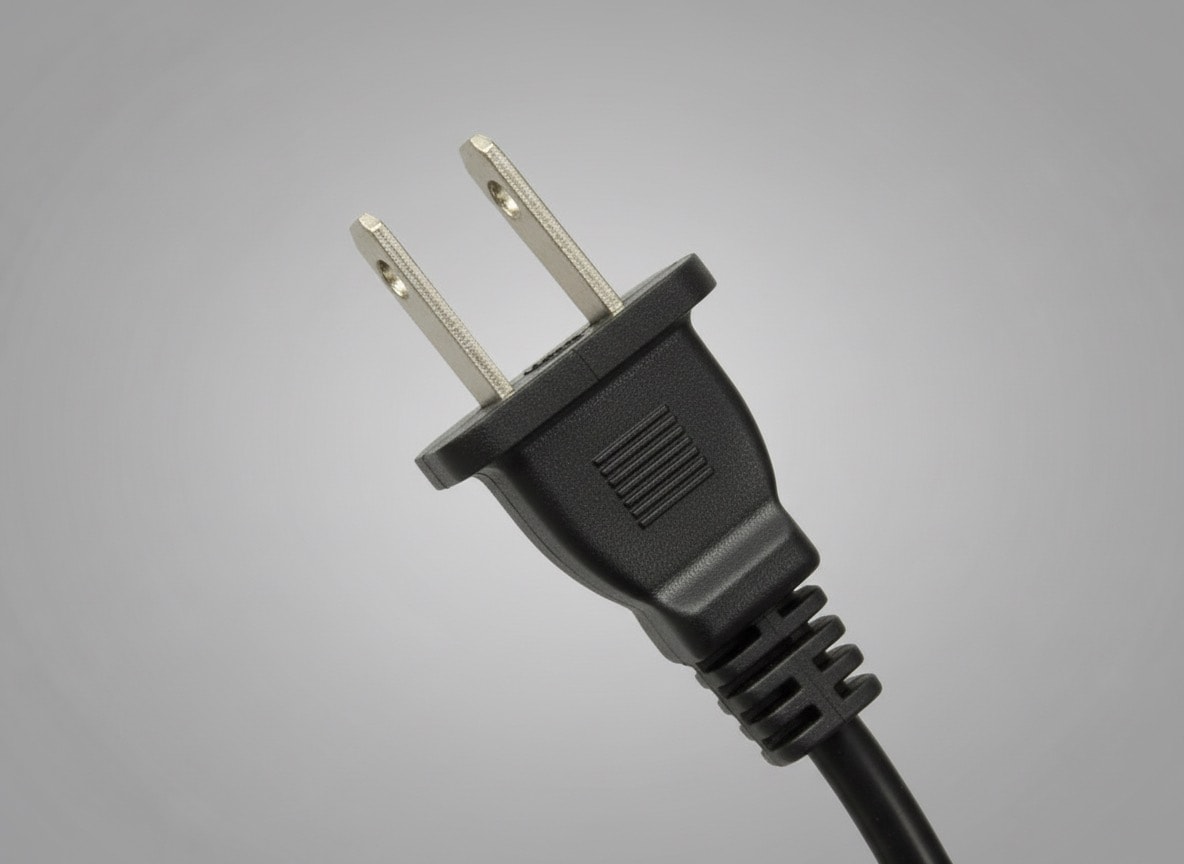
Level 1 Charging
The slowest charging option using a standard 120V outlet. Provides only 3-5 miles of range per hour, requiring long overnight charging sessions that may not fully charge your vehicle.
Level 2 Charging
The sweet spot for home and workplace charging. Uses 240V power for faster charging, adding 20-60 miles per hour.
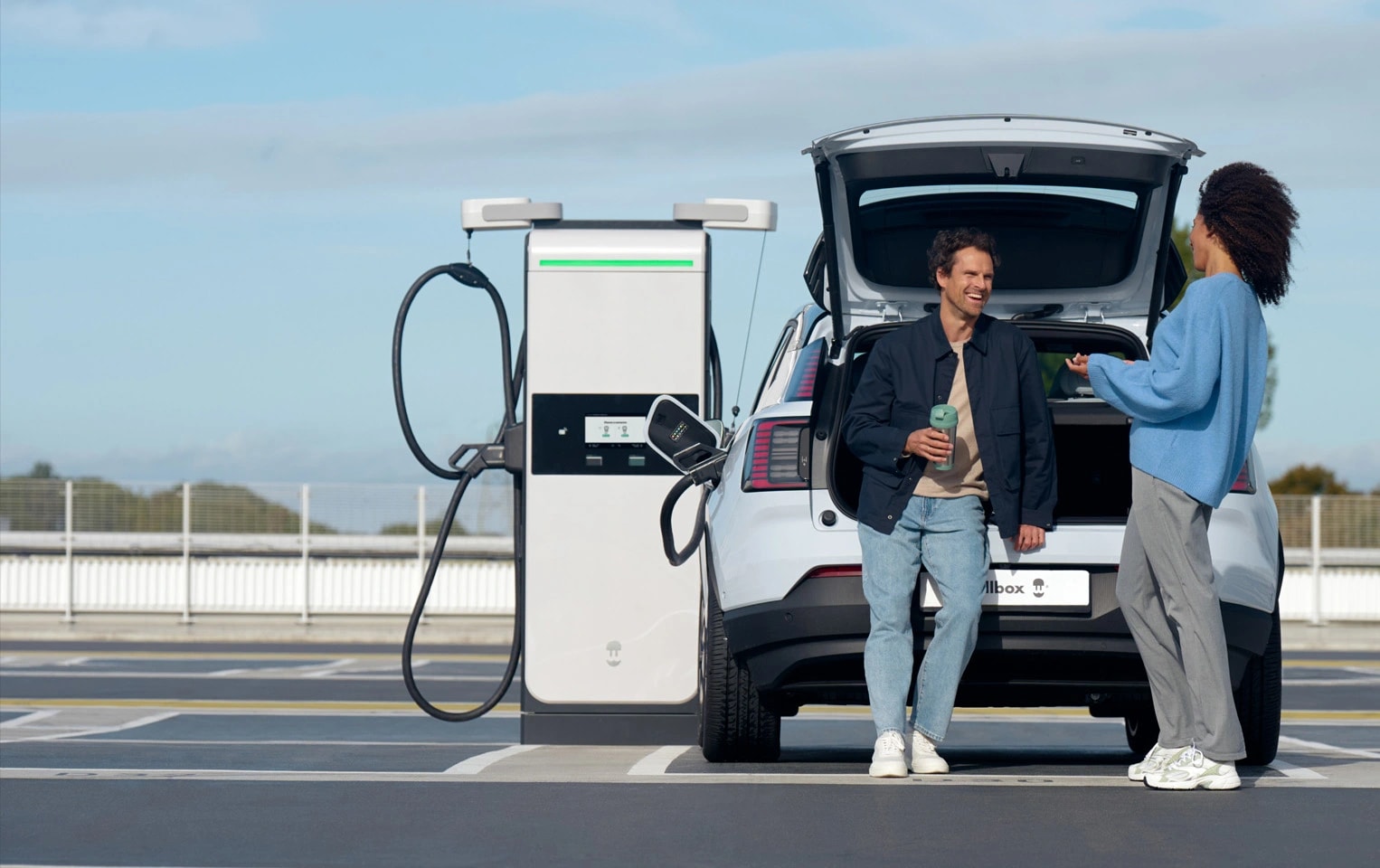
DC Fast Charging
Rapid charging for long trips. Can add 100-200 miles in just 20-30 minutes at highway charging stations.
Federal Level: The 30C Tax Credit
Homeowners may qualify for a 30% federal tax credit (up to $1,000) on hardware and installation costs. To be eligible, the charging equipment must be placed in service by June 30, 2026. This credit is currently limited to specific census tracts, so verifying your location's eligibility with a tax professional is recommended.
State & Utility Level: New Jersey Savings
New Jersey remains the gold standard for EV support in 2026. Residents can "stack" incentives to cover nearly the entire cost of installation: Utility "Make-Ready" Credits: PSE&G can provide up to $1,500 in on-bill credits to cover the electrical work (wiring and panel upgrades) required for a Level 2 charger. Hardware Rebate: You can still claim a $250 rebate for the purchase of an ENERGY STAR® certified smart charger through the Charge Up New Jersey program. Off-Peak Credits: While some legacy off-peak programs are transitioning, JCP&L continues to offer a $0.02/kWh credit for charging during off-peak hours (9 PM – 7 AM).
State & Utility Level: Pennsylvania Savings
Pennsylvania has transitioned from direct hardware rebates toward long-term operational savings: PECO Smart Driver: Get a $50 one-time credit per vehicle just for registering your EV with PECO. Time-of-Use (TOU) Rates: Both PECO and PPL now offer specialized TOU plans. By charging overnight (Super Off-Peak), you can reduce your supply rate to as low as $0.05 - $0.06 per kWh, making your "fuel" costs roughly 70% cheaper than gasoline. Alternative Fuel Vehicle Rebates for Consumers: Offering approximately 500 rebates until July 30, 2026 for new and used electric vehicles.
Plugin vs Hardwired Chargers
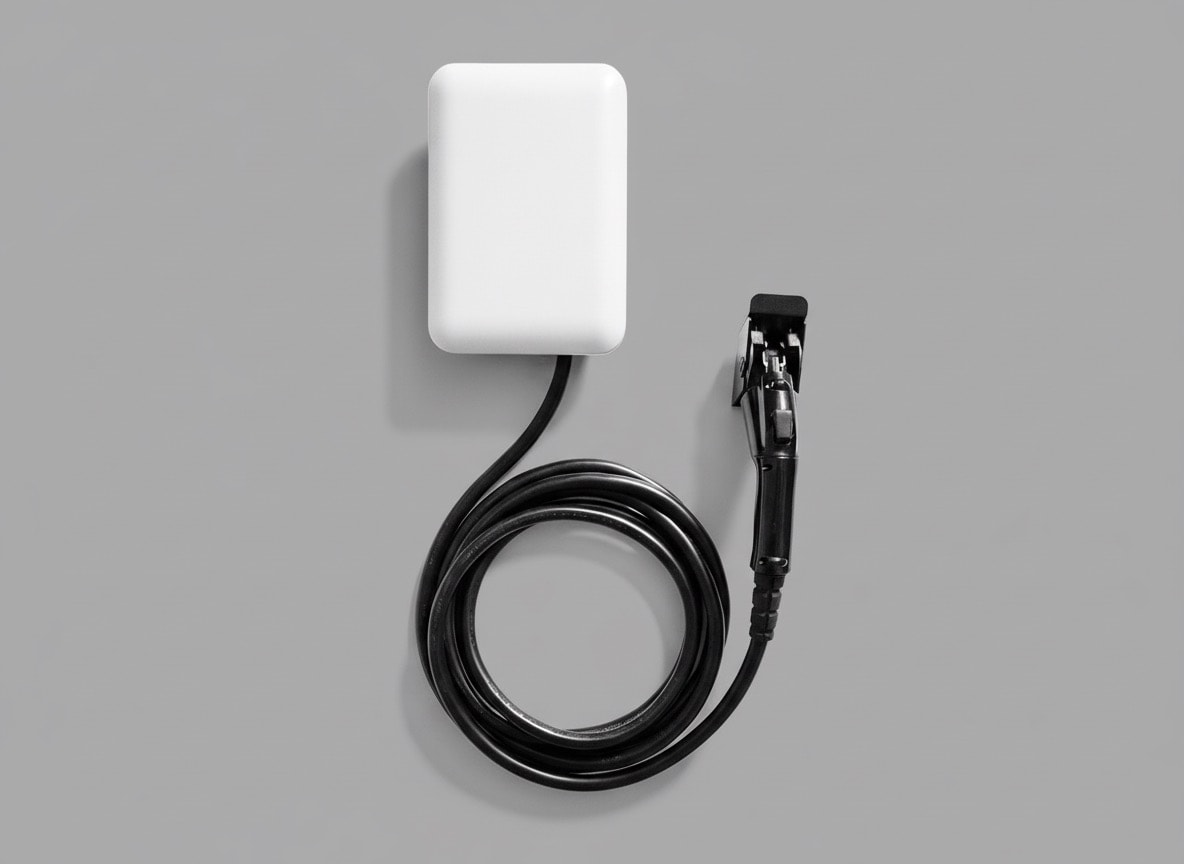
Level 2 home chargers come in two installation types. Understanding the difference helps you choose the right option for your home.
Plug-In Chargers
Connects to a dedicated NEMA 14-50 outlet (similar to what electric dryers use). Offers flexibility to unplug and move the charger if needed. Requires outlet installation by a licensed electrician.
✓ Portable and removable
✓ Can take with you if you move
✓ Slightly easier installation
Hardwired Chargers
Permanently wired directly into your electrical panel. Provides a cleaner, more professional look with no visible outlet. Requires professional installation and electrical permit.
✓ Cleaner, permanent installation
✓ No outlet needed
✓ Typically more power capacity
EV Revolution by the Numbers
The electric vehicle transformation is happening faster than ever. Here are the key statistics driving the change.
EVs on U.S. roads
Electric vehicles registered across the United States and growing every year
Home Charging
Of EV owners charge primarily at home, making it the most convenient option
Annual Savings
Estimated annual savings on fuel compared to comparable gas vehicles
Miles of Range
Modern EVs can travel over 300 miles on a single charge, with some exceeding 400 miles
Charging Stations
Public charging stations across the US, with thousands more being added monthly
Lower Maintenance
EVs require 50% less maintenance than traditional gas vehicles due to fewer moving parts
Charging 101 FAQs
Start Charging Today
Install a Level 2 charger and take advantage of available rebates and tax incentives for homeowners.